People and Places: A Cross-Cultural Vision for Architecture
For French architect Clémentine Bory, architecture is about more than shaping spaces – it is about understanding the people, culture and context that give each place its identity.
As the founder of ambiguë (lab), a multidisciplinary design studio based in Shanghai, she works across architecture, urban and rural strategy, interiors, landscape, art and scenography, creating projects that respond to the people and places they serve.
Drawing on her French education, international experience and deepening understanding of China, Bory has built a practice that bridges cultures while placing sustainability, local identity and long-term value at its core. From heritage gardens inspired by Chinese mythology to contemporary spaces across Asia and Europe, her work reflects a belief that design should do more than look beautiful – it should create meaningful, lasting experiences.
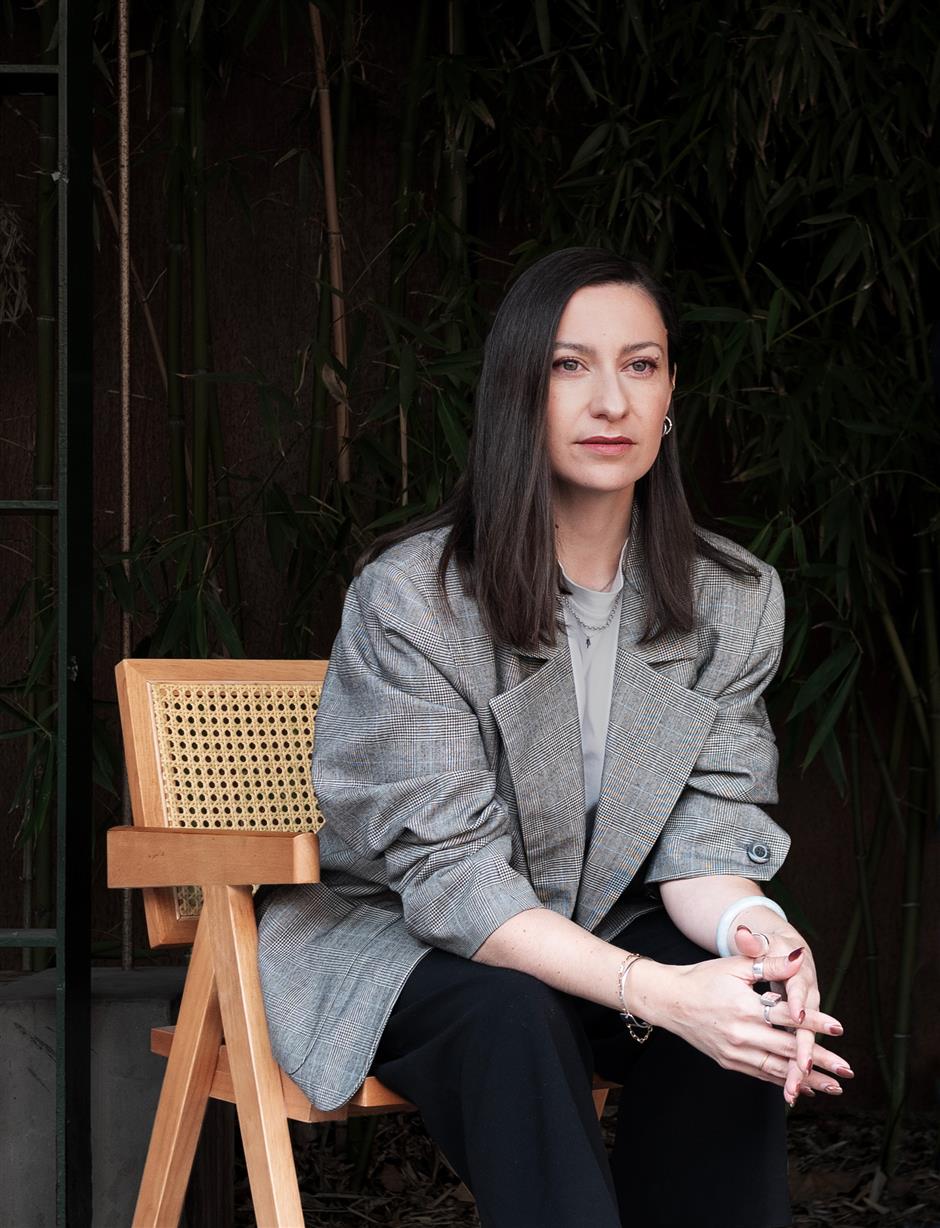
CNS: Before we talk about ambiguë (lab), would you please introduce yourself?
I'm Clémentine Bory, a French architect and the founder of ambiguë (lab), a multidisciplinary design studio in Shanghai. We work across architecture, urban and rural strategy, interiors, landscape, art and scenography, with a strong focus on creating tailored, memorable experiences.
I've been in China for seven years. Before founding my own studio, I worked with internationally renowned firms, including MVRDV, David Chipperfield Architects and Büro Ole Scheeren, where I designed projects for public institutions, real estate developers, museums and brands such as Hyatt, Rosewood, Capella, Porsche, China Resources Land, Vanke, Tencent and adidas. Beyond architecture, I'm an art enthusiast and trail runner, passionate about China's landscapes and exploring its urban and rural architecture.
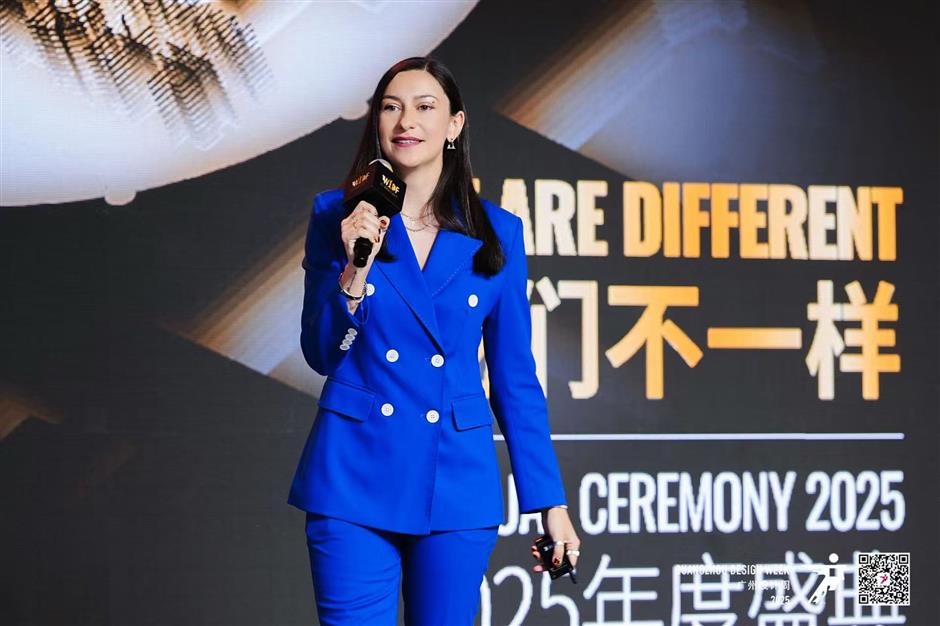
CNS: After living in China for a few years, what made you decide to strike out on your own and build a business here?
I always knew I wanted to become an architect and an entrepreneur. It was never really a question. I built my career with that goal in mind, working in Europe and Canada before moving to China, where my partner and I fell in love with the culture, architecture, landscapes, people – and, of course, the food.
We started out in Beijing before moving to Shanghai. That's when I realized this was the place where I wanted to establish my own practice.
I founded ambiguë (lab) in China, with the ambition of working across the Asia-Pacific region and Europe. Shanghai is a city where East meets West, and that intersection is at the heart of our studio. Our approach is shaped by our French education and international experience, but always grounded in the local context. We adapt to each place's culture, climate and needs, with sustainability as a key consideration.
Every project is tailored to the client, the site and its context. When working with governments or businesses, we also contribute to strategic and operational planning, helping clients envision how a project will be used in the future and ensuring its long-term viability. For us, design should be not only beautiful and functional, but also meaningful and enduring.
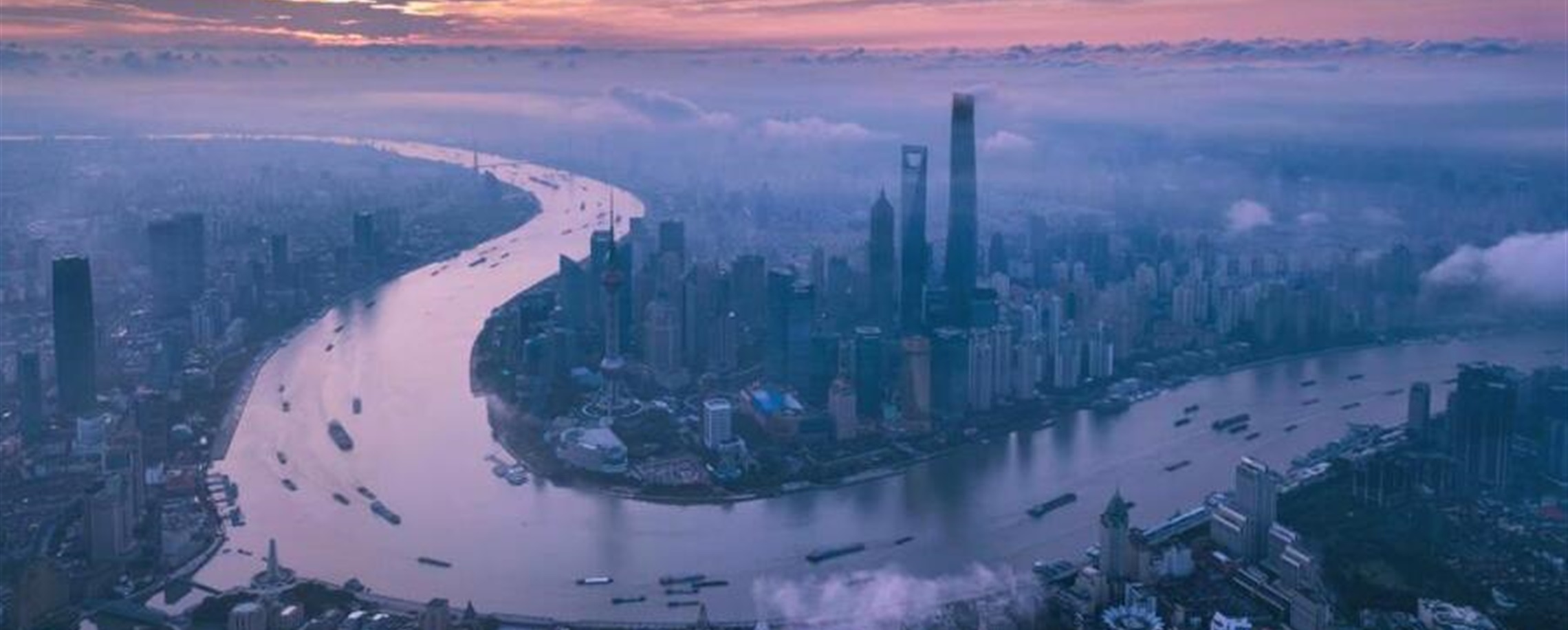
CNS: What makes Shanghai's business environment so remarkable?
Shanghai's richness lies in its diversity. It's an open, dynamic city full of opportunities for creative professionals, with a stimulating entrepreneurial and community spirit.
There are also several communities supporting women entrepreneurs, including La Ruche, IPWS and GWEN. The city attracts both local and international clients while remaining deeply connected to Chinese culture and government initiatives.
Geographically, Shanghai is also an ideal base for us, with strong connections to the wider Jiangnan region. This combination of international outlook, local character and regional accessibility creates fertile ground for cross-cultural design to thrive.
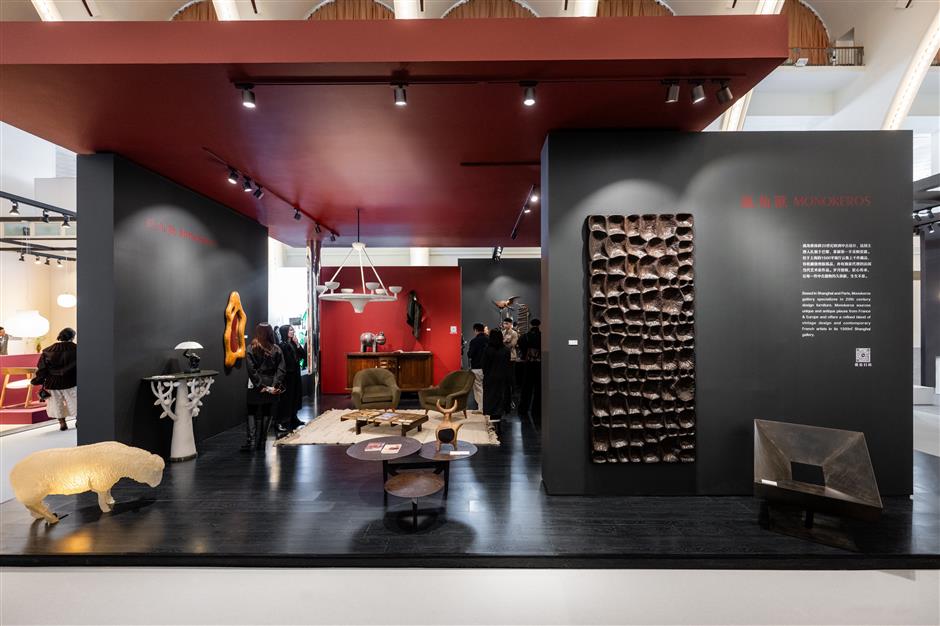
CNS: What were you trying to bring to the local community?
I wanted to bring a different approach to design – one that isn't about imposing a particular style, but about creating spaces that feel right for the people who use them.
We always begin with the same question: "What does this place need to feel like?"
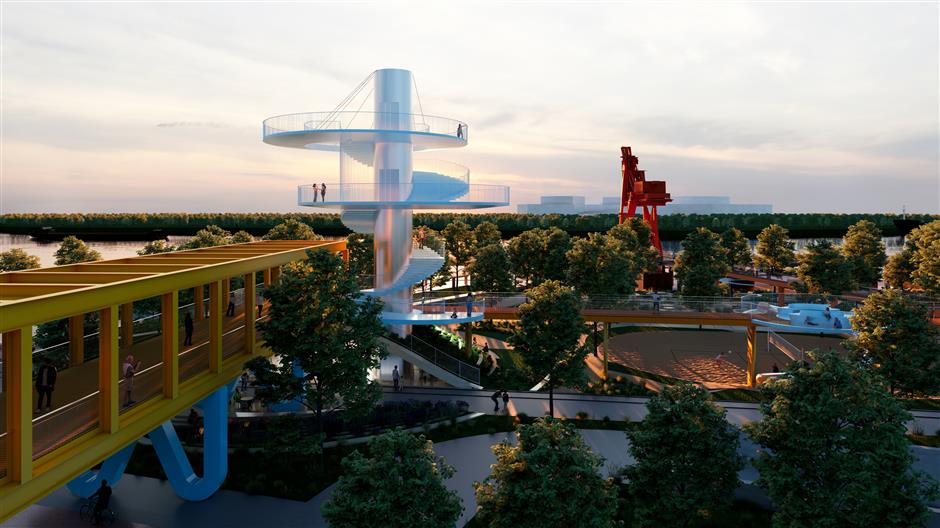
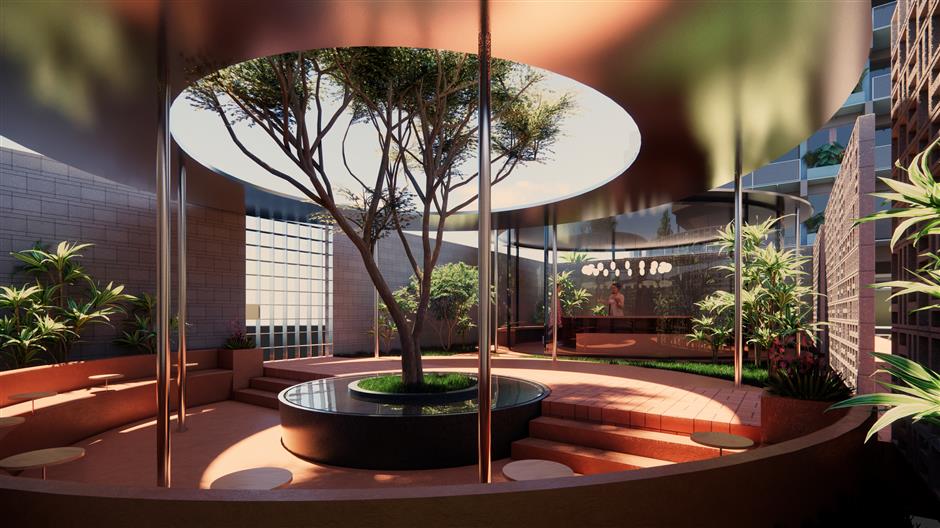
Whether we're working on a cultural project, a heritage renovation, a boutique hotel, a public bridge, a private residence or an art installation, that question guides everything we do. We listen, research and develop solutions that are specific to each place and its users.
Our work spans different scales, from urban and rural strategies to architecture, interiors and private homes. We also collaborate with clients on the strategic and operational aspects of their projects, helping them plan for how spaces will function in the years ahead.
Ultimately, our goal is to create projects that are not only thoughtfully designed, but also viable and sustainable over the long term.
CNS: What are the biggest challenges in setting up a business here? How do you stay motivated?
One of the biggest challenges is establishing a name for yourself, developing a network and finding the right partners. Relationships are particularly important in China, and building trust takes time. But once that trust is established, the opportunities can be incredible.
What keeps me motivated is seeing how design can genuinely improve people's lives. The diversity of projects, scales and locations keeps me curious and engaged. Every project presents a new challenge, and creating a distinctive spatial experience for each client is what makes the work so rewarding.
CNS: What was the moment that made you most proud?
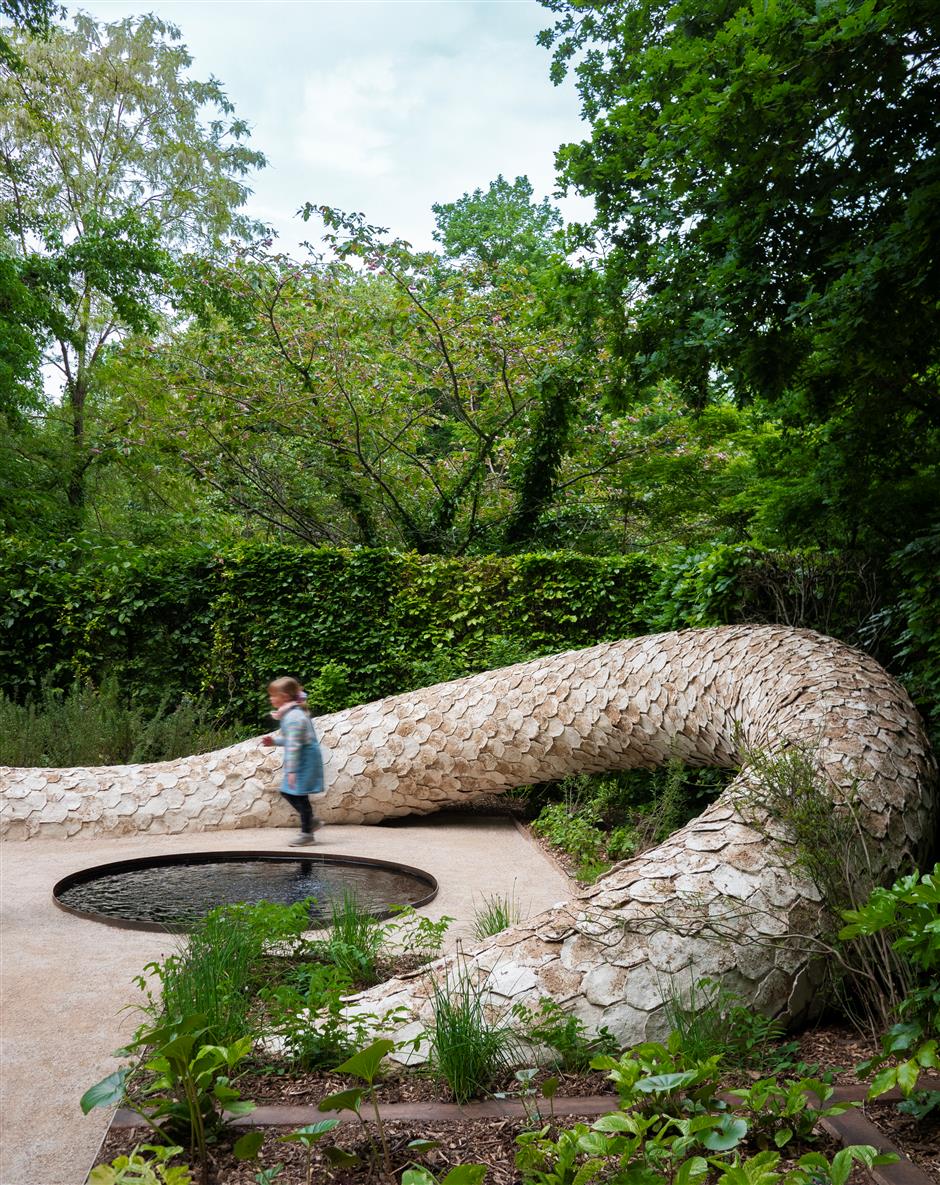
One of my proudest moments was receiving the Design & Innovation Award at the Chaumont-sur-Loire International Garden Festival for our White Snake Garden project.
The garden brings together a classic Chinese legend associated with Hangzhou's West Lake and a French UNESCO heritage site. Through art, landscape design and medicinal plants, it explores the meeting of two cultures, blending French classical and abbey gardens with traditional Chinese shanshui landscapes (the harmony between mountain, water and humanity), as well as traditional Chinese medicine with French aromatherapy. We also incorporated innovative, sustainable materials into the design.
The project was recognized by a multidisciplinary jury, received international media coverage (Xinhua News Agency, Le Monde, among 30+ publications) and, most importantly, connected with people emotionally. Seeing it published by the State Council Information Office of the People's Republic of China was another meaningful recognition for a French studio established in China.
Another highlight was receiving the European Award at the World Youth Design Festival last year, which recognized our design approach across our projects.
CNS: What are you working on now?
We're currently working on a diverse range of projects, including culture, heritage and retail in Zhejiang Province, an art piece in Beijing, the renovation of a natural scenic area in Shenzhen, rural revitalization in Nanjing, bespoke apartments and amenities in a tower in Vietnam, and a private project in France.
We also work on retail and hospitality projects and are always open to collaborations with developers, brands and government entities. We are particularly interested in boutique and concept hotel projects, where we can bring a strong creative vision and a tailored approach.
Thanks to our network of trusted local partners, we can also support clients who want to build or renovate properties abroad. For example, people living in China who wish to design a home in Europe or Southeast Asia can work with us on the design from Shanghai, while our local partners handle permits, on-site construction supervision and quality control. We coordinate the process from initial design through to completion.
CNS: Who is a female role model who inspires you?
I admire the architect Lina Bo Bardi, not only for her groundbreaking work but also for her determination to succeed in a male-dominated profession. She saw architecture as a tool for social change and developed an approach that was bold, sensitive and unconventional.
Her projects are innovative while remaining respectful of local cultures and accessible to a broad public. I find that combination particularly inspiring.
For anyone unfamiliar with her work, I recommend visiting the exhibition at the Power Station of Art, which is open until October 25.
Closer to home, I'm deeply inspired by the women in my own family: my mother, who ran a jewelry and leather goods concept store before the term was even created, and my grandmother, who was an antique dealer. Alongside the many women entrepreneurs and mentors in Shanghai, they inspire me with how they build businesses with creativity, integrity, and resilience.
CNS: Do you have any advice for women entrepreneurs?
Don't try to fit in – develop your own voice.
In architecture and other creative fields, it's easy to follow trends. But the projects that truly matter come from a clear vision and a distinctive personal approach, not from copying what others are doing.
Know your why, create from conviction and build a practice that reflects who you are. Surround yourself with people you trust, learn from their experiences and don't hesitate to share your own. Building a business takes time, but staying true to your vision is what gives it meaning.
Editor: Fu Rong
In Case You Missed It...
 Oct 21, 2026