Librarians From 17 Countries Gather in Shanghai to Reimagine Libraries in the AI Age
When artificial intelligence can discover resources, generate content and organize knowledge, what is a library still for? That question ran through the 2026 Shanghai International Library Forum, which brought nearly 300 experts from about 120 libraries and institutions in 17 countries and regions to Shanghai Library East in Pudong from October 21 to 23.
Organized by Shanghai Library (Institute of Scientific and Technical Information of Shanghai) under the theme "Reimagining Libraries: Mission, Vision, Function," the forum drew its largest turnout yet by number of countries, institutions and delegates, according to the organizer.
Te Paea Paringatai, president-elect of the International Federation of Library Associations and Institutions (IFLA), Chen Ying, Party secretary and deputy director of the National Library of China, and Fang Shizhong, executive deputy head of the Publicity Department of the CPC Shanghai Committee, spoke at the opening ceremony.
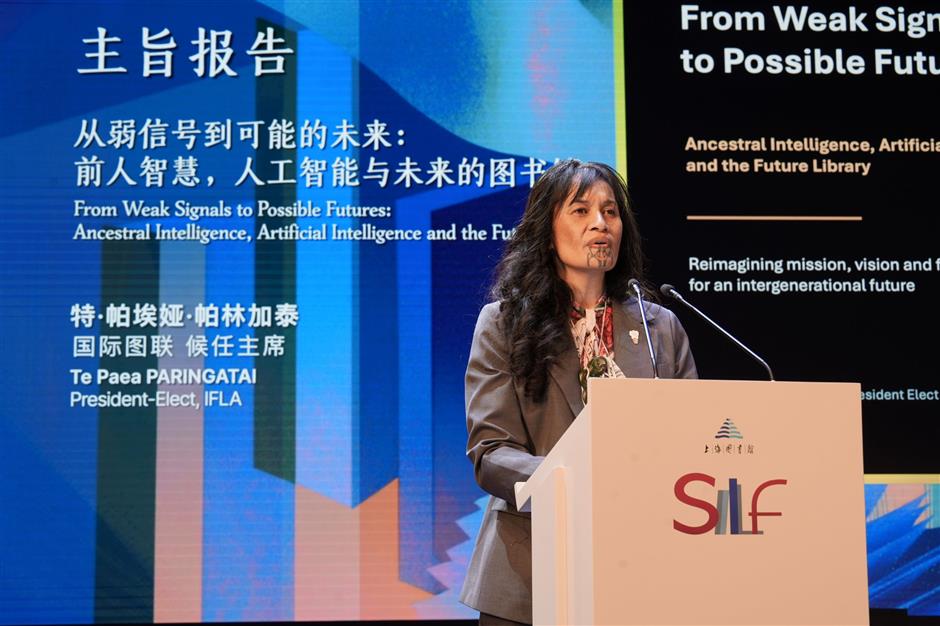
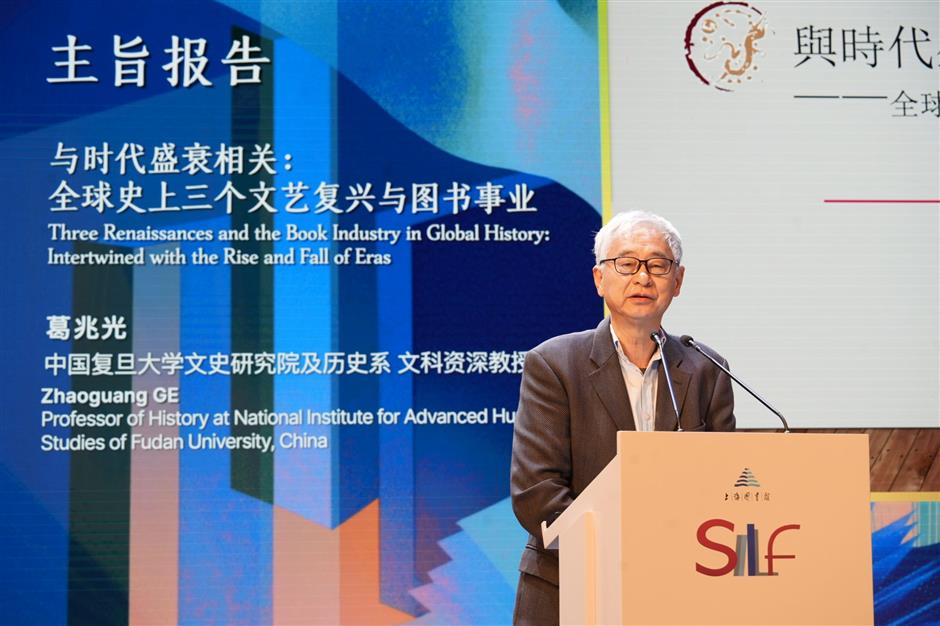
In her keynote, Paringatai looked at how ancestral knowledge, artificial intelligence and future development might shape the libraries of tomorrow. Ge Zhaoguang, a senior professor of history at Fudan University, used three renaissances in global history to trace how the book trade has risen and fallen with its times.
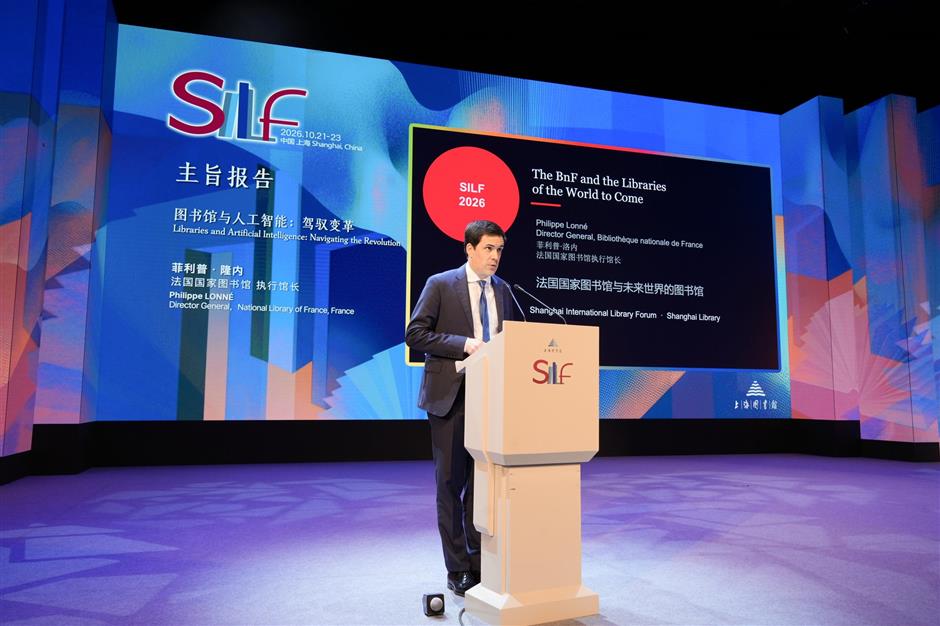
Philippe Lonné, director general of the National Library of France, discussed the changes AI is bringing, while a speaker from the Russian State Library addressed libraries as national strategic resources.
City libraries focused on staying close to the public. San Francisco Public Library shared a service philosophy built around "connection," Milan presented the European Library of Information and Culture as a new model for public libraries, and Finland's Espoo City Library showed software it developed in-house.
Chinese libraries used the forum to present projects recognized by IFLA. Ningbo Library in Zhejiang Province offers reading resources for visually impaired people through its "Tianyi Reading Aid" project, while the Shanghai Children's Library collects and preserves recordings of parents and children reading aloud together, turning family reading time into lasting memories.
Shenzhen Library lets visitors watch stacker cranes and rail carts at work in the automated underground stacks of its north branch, turning a normally hidden storage system into a public attraction. Beijing's Capital Library runs a "Reading Garden" program that turns children's reading records into growth logs families can see and share.
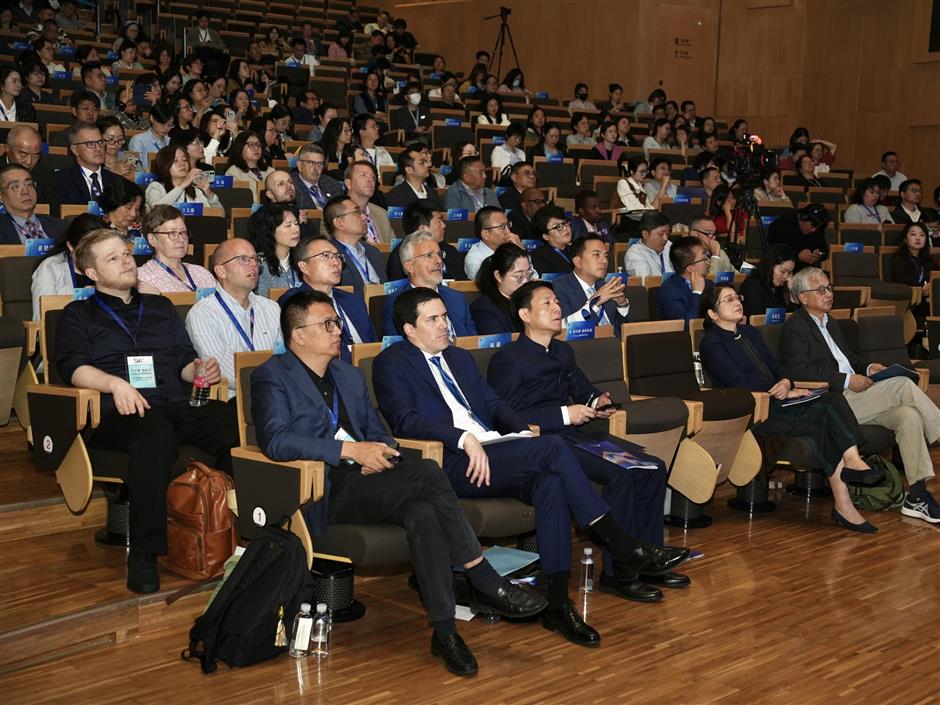
At a session on smart libraries, Shanghai Library spoke about building data infrastructure, and winners of the 11th Shanghai Library Open Data Contest were announced, with entries spanning app development, AI agents and generative AI. Librarians from Fudan University, Shanghai Jiao Tong University and other universities discussed moving from simply holding collections to supporting research and creating knowledge with users.
On October 23, the annual meeting of public library directors from the Yangtze River Delta was held alongside the forum at Shanghai Library East and the Qingpu District Library.
Chen Chao, director of Shanghai Library, reviewed eight years of cooperation within the region's public library alliance. Nanjing Library deputy director Chen Li introduced Jiangsu Province's digital platform for ancient books, while Zhejiang Library director Hu Hairong described credit-based online borrowing and province-wide lending.
Zuo Jingang, director of Anhui Provincial Library, showed how the library brings reading services into hospitals through projects such as its "Jingfu Book Wall."
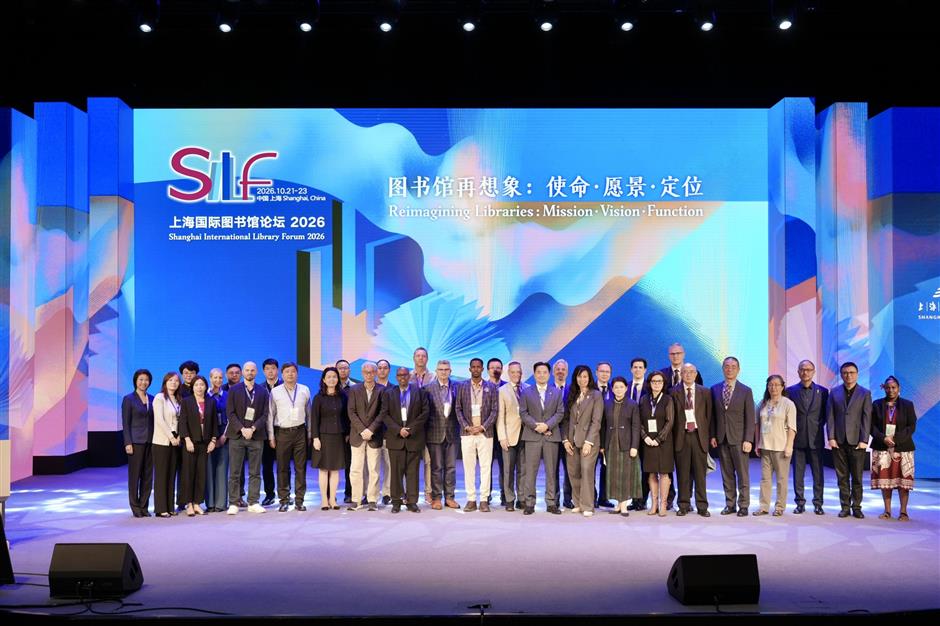
Shanghai Library said it will keep broadening international exchanges and regional cooperation so that more people can benefit from quality public reading services.
Editor: Wang Xiang
In Case You Missed It...

 Oct 22, 2026