Robot Targets Hazardous Jobs, Emergency Response
JIAYI, a Shanghai-based robotics company, has introduced an AI model that it claims is "the first of its kind" to allow robots to autonomously unzip, open, and retrieve objects from bags.
The technology combines touch feedback with precise movement and has potential uses in hazardous inspections and emergency response.
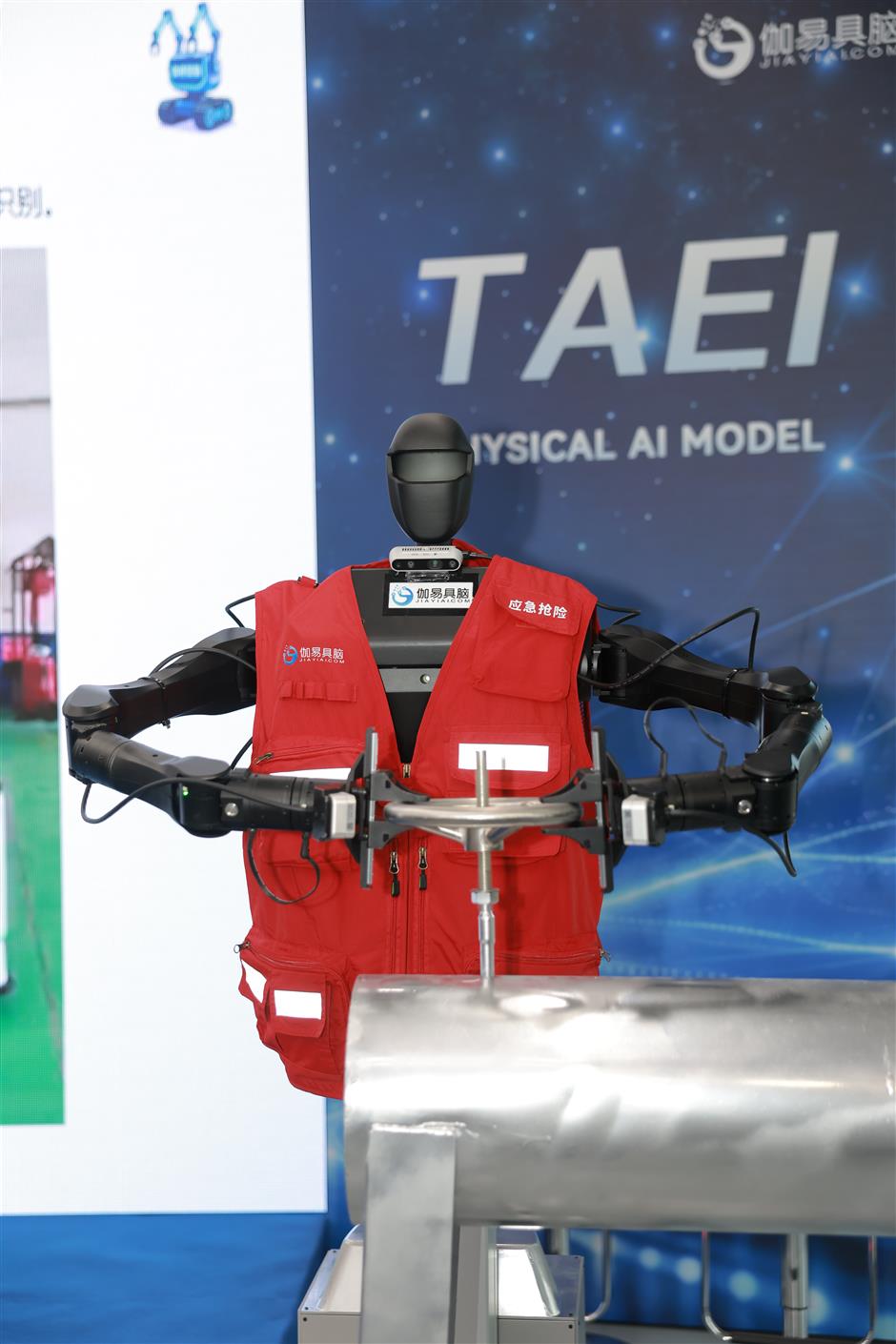
JIAYI Intelligence (Shanghai) Technology Co named it TAEI yesterday. At the event, a two-armed robot demonstrated the bag-opening sequence. Another demonstration involved gripping a potato chip without breaking it.
The innovation lies in handling objects that bend, shift or break, rather than simply moving rigid parts along a fixed path, according to the company.
A soft bag changes shape as it is pulled. A robot must hold the small zipper pull, respond to that movement, and open the bag without losing its grip.
Founder and chairman Li Hongyu said the demonstration used an ordinary zipper, without an added attachment to make it easier to grasp.
JIAYI said TAEI combines touch feedback, three-dimensional information about its surroundings, and software that checks each stage of a task. Together, these allow a robot to adjust the force it applies, locate objects and correct its movements if a grip slips or a zipper catches.
Li said robots also need knowledge of the industry in which they work, along with the precision to carry out their tasks.
Where it could help
One potential application is the examination of suspicious bags. Li mentioned that robots equipped with these handling skills could perform tasks that would normally require a person in protective gear to approach and open a package.
Other tasks include turning valves or operating switches in hazardous areas. JIAYI is developing applications for petrochemical facilities and emergency response, rather than focusing on household robots.
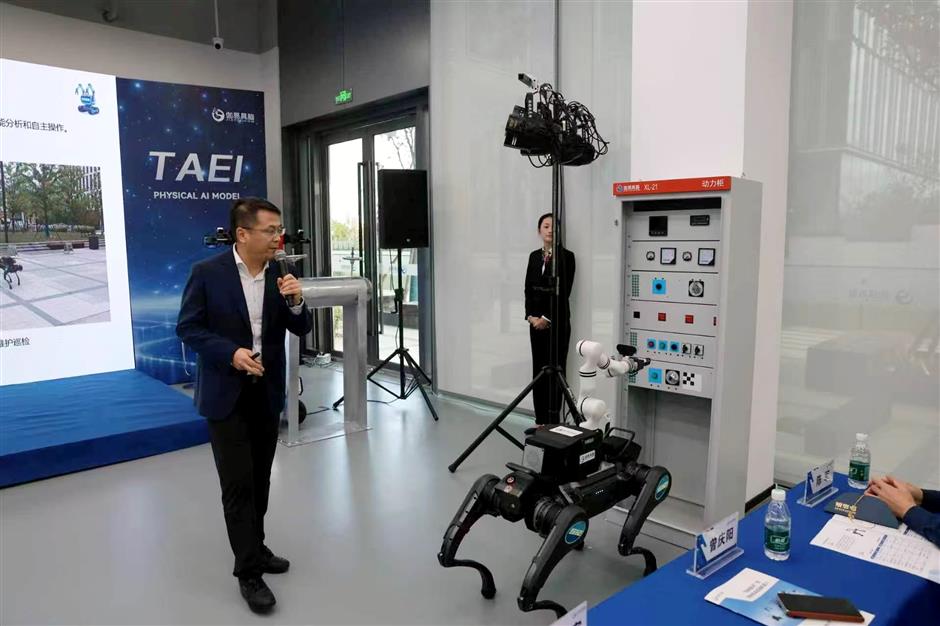
Li stated that the company is collaborating with the Shanghai railway authority to develop robots that will assist maintenance staff. Workers can utilize a four-legged robot to transport tools. The robot can use laser-based sensors to monitor for any approaching trains while maintenance tasks are underway.
The goal for Metro systems is to utilize the same equipment for both routine inspections of tunnels and tracks and for emergencies.
Possible emergency tasks include carrying inflatable equipment into hazardous areas to provide support or help seal leaks.
The company already sells bomb-disposal robots in China and has exported them to Saudi Arabia and elsewhere in the Middle East, Li said. The new model is intended to improve the machines' ability to understand and perform tasks.
Li sees practical industrial work as the route to repeat business.
"The model we released today is not about showing off," he said. "We hope it can genuinely assist people and be put to practical use."
Editor: Liu Qi
In Case You Missed It...

 Oct 23, 2026