China Looks Skyward to a Future of Satellite Internet, Data Center Technology
The high-stakes space race between China and the US is intensifying far beyond low-Earth orbit, as global aerospace giants vie for orbital dominance and Chinese industry leaders, scientists and policymakers forge a domestic blueprint to overcome existing cost hurdles.
At the 2026 Satellite Internet Industry Ecosystem Conference in Shanghai this week, hundreds of officials gathered to map out the next phase of commercial expansion. The consensus among experts is clear. "China's satellite internet industry is accelerating the deployment of its network and moving toward large-scale commercial operation," said Zhang Wenjun, an academician and professor at Shanghai Jiao Tong University.
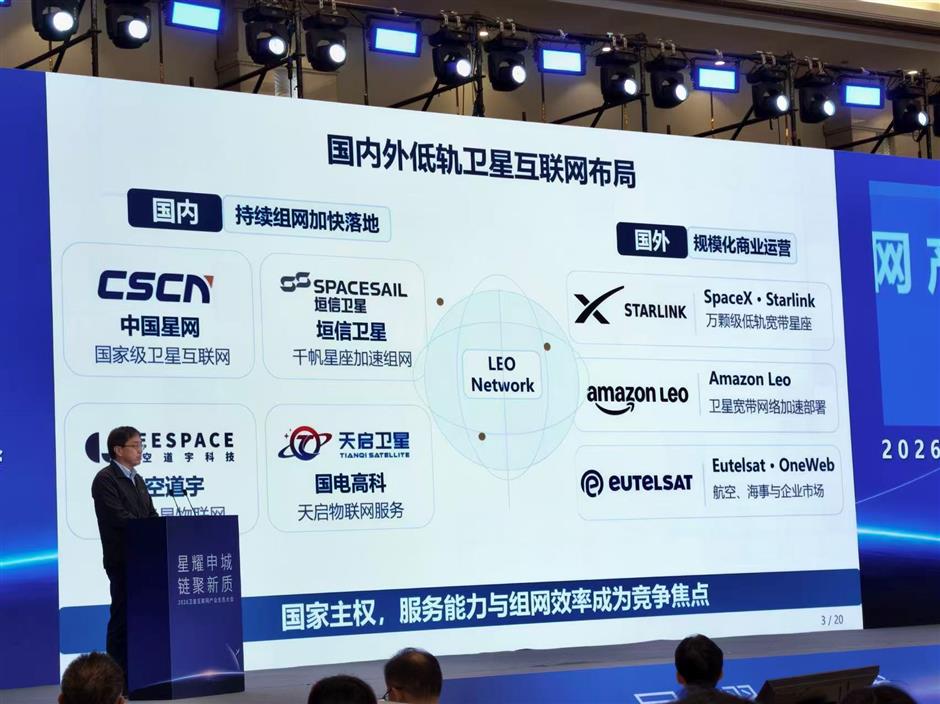
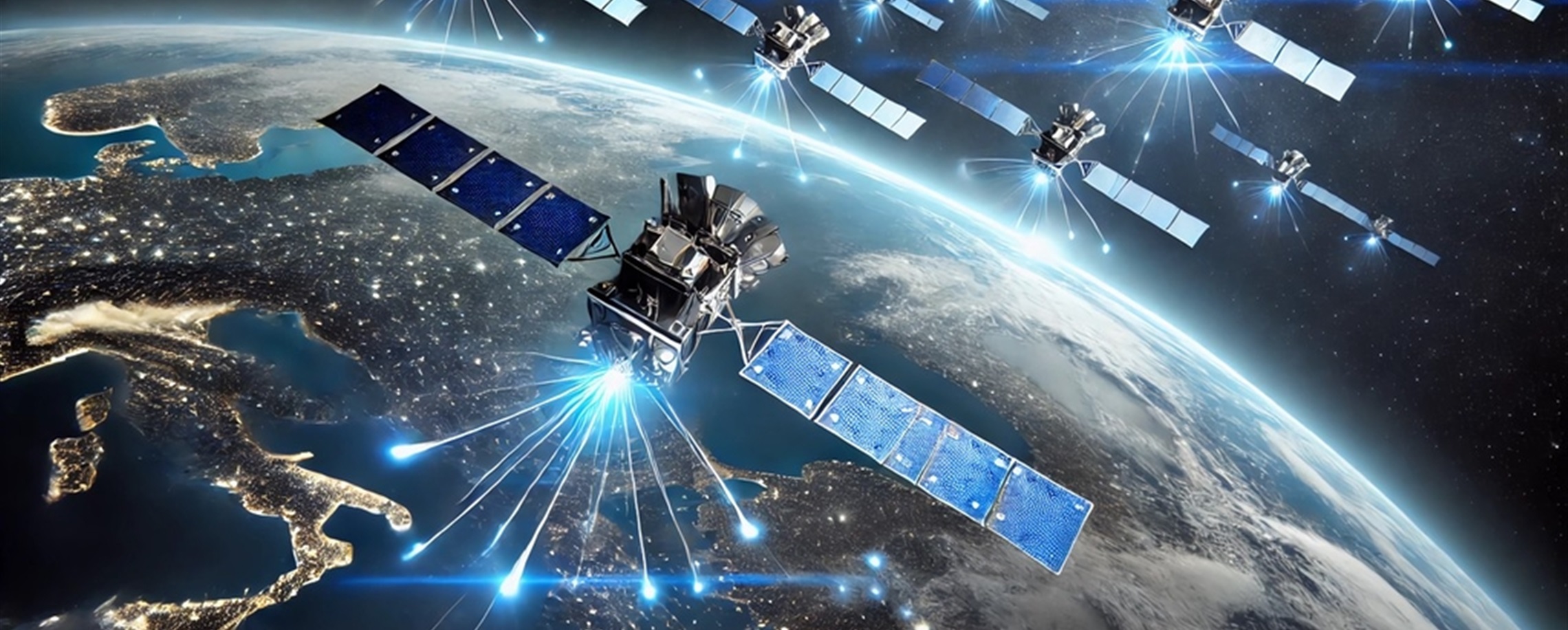
The benchmark for success remains the US, where SpaceX dominates the low-Earth orbit realm with more than 11,000 active satellites and a global customer base exceeding 13.6 million Starlink users. However, Chinese operators are executing a rapid catch-up, anchored by two powerhouses – Beijing-based China Satellite Network Group and Shanghai-backed SpaceSail.
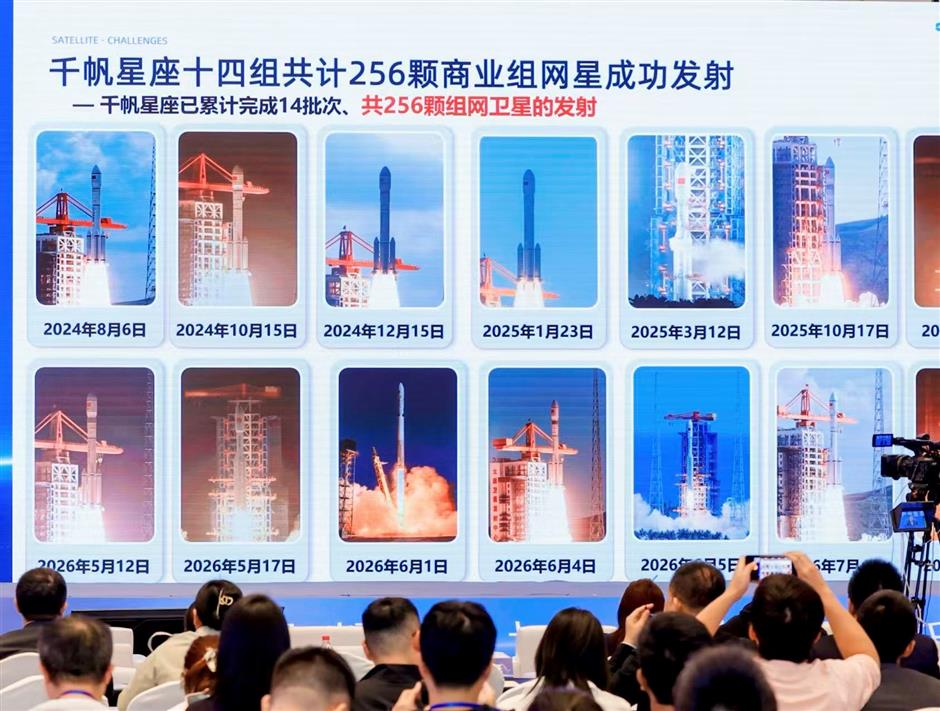
By October, SpaceSail had deployed 256 operational satellites, more than double last year's total. The company expects to have 324 satellites in orbit by the end of the year, targeting a network of 3,000 satellites by 2030. But the success of all low-orbit operators depends on reusable rockets that reduce costs and increase the availability of launches.
China is rapidly closing the technology gap in reusable rocket capabilities and high-capacity payload launches, which enable 20 or more satellites to be deployed on a single mission. Nevertheless, China's launch costs per satellite remain noticeably higher than those of SpaceX, primarily due to differences in volume and active subscriber density.
By 2030, China is expected to have 10 million space internet users, according to the Ministry of Industry and Information Technology.
To counter the vertically integrated model of American aerospace giants, Chinese engineers are pursuing a collaborative, open-architecture framework.
"SpaceX is like Apple, with a complete, mature and tightly controlled industry chain," said Sheng Yinghua, chief research engineer at China Aerospace Science & Technology Corporation Commercial Rocket Co, which was established in 2024. "Our path is to build an 'Android system' for space, an open framework that lowers entry barriers and boosts overall industry development."
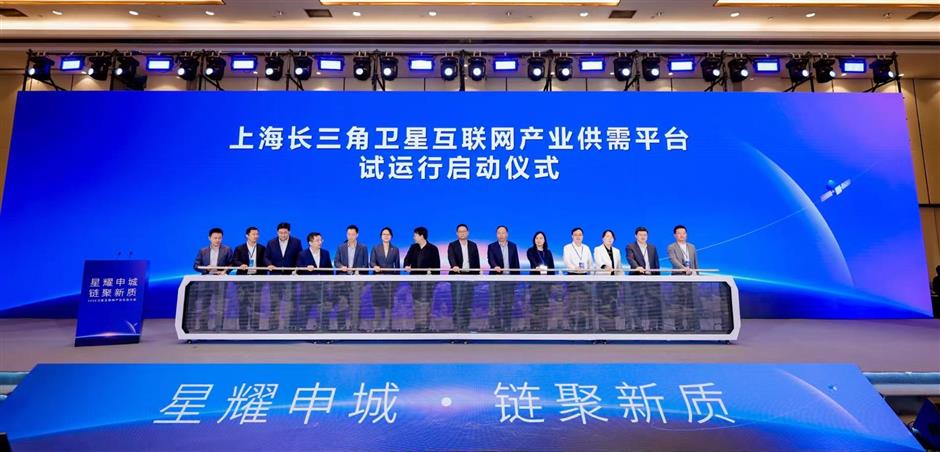
Shanghai is taking a central role in driving this open infrastructure. During the conference, municipal authorities unveiled upgraded policies and support platforms designed to build a complete "space-air-ground" integrated communications ecosystem.
The initiative includes a new city-level industrial fund, a next-generation communications accelerator and a unified supply chain platform spanning the entire Yangtze River Delta region. The cross-regional platform brings together research institutes, satellite manufacturers, telecom carriers and commercial rocket companies to drive down costs. Shanghai aims to develop over 100 demonstration projects and expand its core satellite internet industry past 80 billion yuan (US$11.2 billion) by 2030.
Chinese researchers and private firms are also betting heavily on high-altitude orbits and "space computing" – deploying AI processing directly onto satellite hardware to overcome fundamental spectrum and bandwidth bottlenecks.
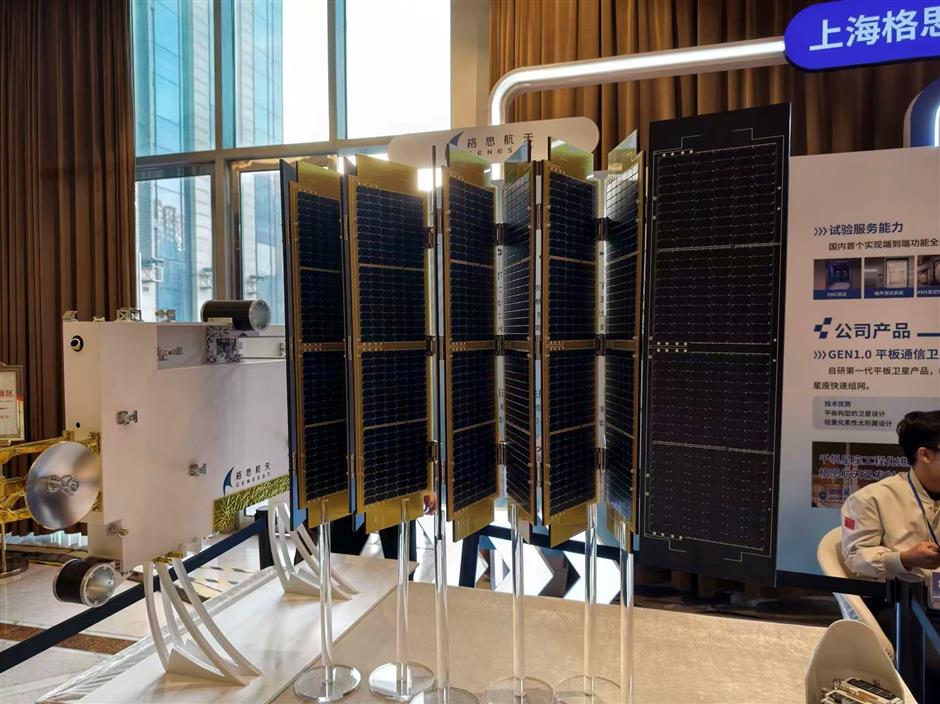
It's much cheaper to operate data centers in space, where they can access abundant solar power without night cycles or weather interference. By analyzing, compressing and filtering raw data directly in space using AI, satellites can transmit refined intelligence back to Earth without overloading limited radio frequencies.
A key example of this shift is Fudan University's newly unveiled Star Nexus project. The initiative plans to deploy over 1,000 space computing satellites in coming years, including 200 units equipped with advanced AI capabilities. These orbital nodes will support high-precision meteorological models, remote-sensing microwave imaging and experimental high-performance quantum computing.
Chi Nan, deputy president of Fudan University, said Shanghai has an advantage in that domain, with its dense cluster of domestic AI chip designers and optical communications developers.
"With AI-powered compression and edge processing, customized satellite video services – including real-time video communications and direct streaming – will become a commercial reality," added Jiao Tong University's Zhang.
Commercial applications are already taking flight. Shanghai-based satellite technology firm Comospace has developed compact "AI boxes" powered by domestic microprocessors designed specifically for processing in a space environment. Several units are currently operating in orbit, processing real-time data for emergency disaster response, precision agriculture and urban planning.
The rapid expansion of satellite connectivity is also spilling over into adjacent terrestrial industries, particularly China's burgeoning low-altitude sector, which includes drones and emerging "flying cars."
Xu Yunxiang, vice president of SpaceSail, emphasized that global satellite coverage solves long-standing communication blind spots for uncrewed aerial vehicles. By guaranteeing real-time, beyond-line-of-sight control and telemetry, commercial satellite networks are creating the digital highway required for autonomous drone logistics and advanced air mobility to scale up safely across the country.
Editor: Liu Qi
In Case You Missed It...
 Oct 30, 2026